Latest posts
-
Building a Direct Path for School Sports Support
Turning specific school needs into real equipment — delivered where it matters.
-
Stablecoins vs. FX Trading Desks: Is the Real Disruption Just Beginning?

Stablecoins—still overwhelmingly denominated in USD—have quietly doubled in circulation over the past 18 months. Yet they’re only moving $20–30B in real on-chain payments per day, mostly remittances and settlements executed outside traditional FX rails. That’s less than 1% of global daily money transfers. So harmless, right? Maybe not. When you stack stablecoin performance against legacy…
-
$10B Already Committed: Are Small Modular Reactors the Lifeline for AI’s Soaring Power Needs?
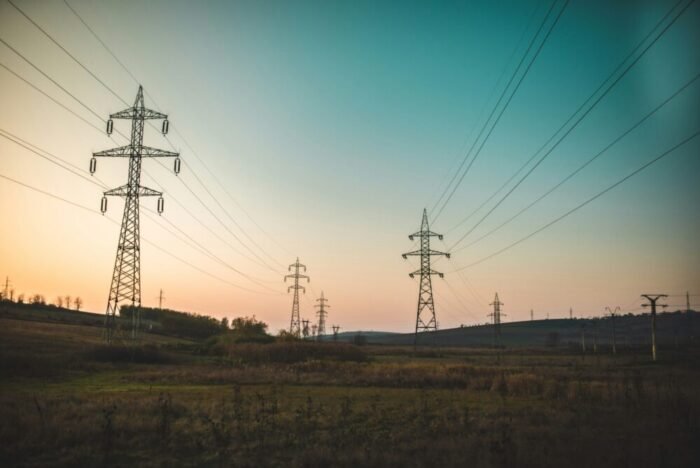
SMRs are emerging as a serious answer to the power hungry AI-driven data-centre growth. A small modular reactor is a compact, factory-built nuclear power unit which delivers steady, carbon-free electricity with faster, modular construction. SMRs are safer and easier to deploy than traditional large reactors. Investment is expected to increase from about $5B/year today to…
-
AI Powered OMS & EMS ?
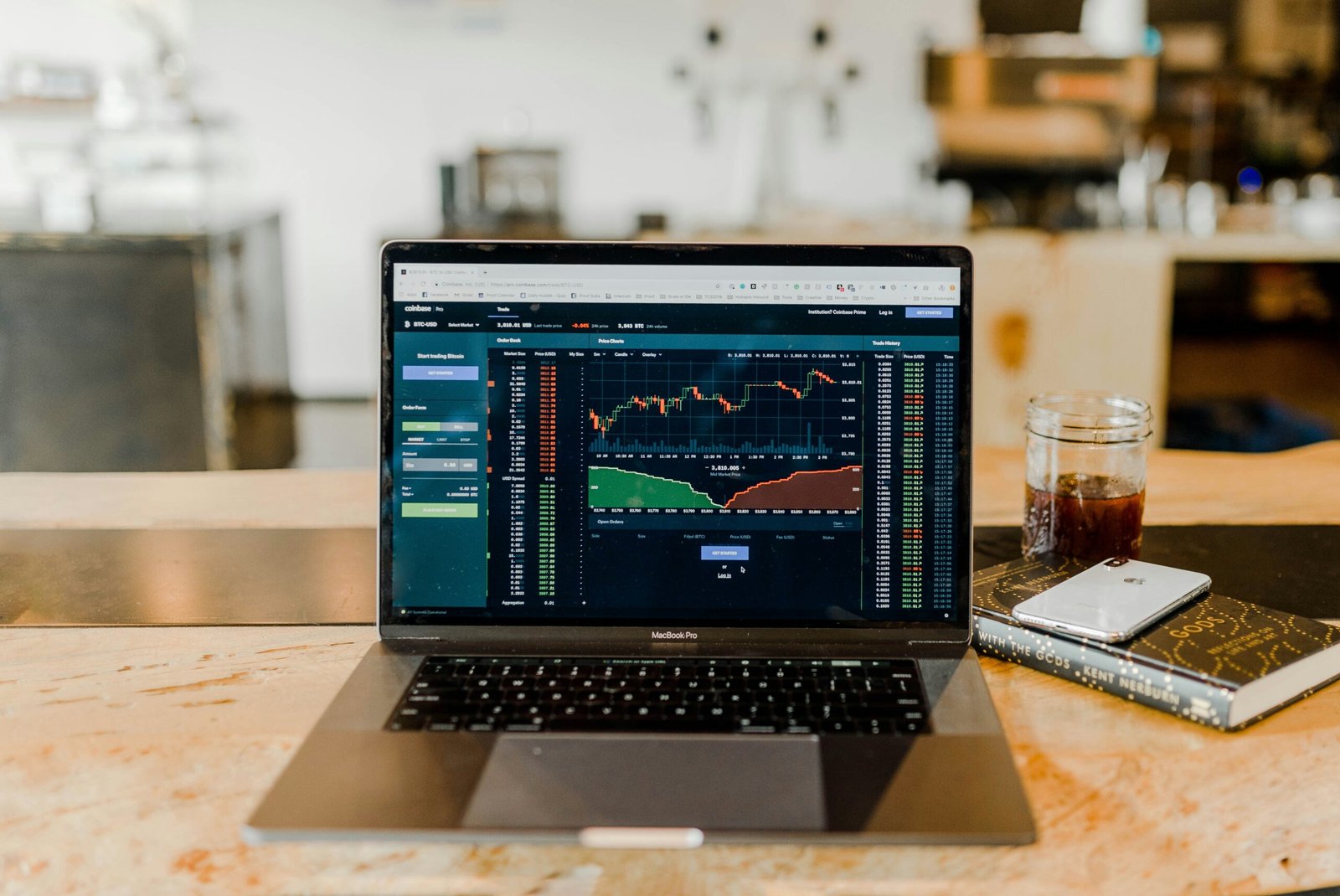
Yet to see a concrete example however if EMS and OMS vendors are incorporating AI into their systems a step change in trading tech could be unfolding. Firms using legacy rigid systems which cannot adapt in real time risk getting left behind by vendors embedding AI/ML and low-code/no-code platforms. AI and Automation Redefine Front-Office Trading…
-
Is AI the Silver Bullet for algo trading

I recently came across this article and it really got me thinking about whether AI is indeed the silver bullet for building algorithms with perpetual profitability. Conventional algorithmic trading relies on fixed rules derived from past price patterns. But when market conditions shift, as they always do, these rules can stop generating profit, because they…
-
The future of trading technology comes with a hidden cost

Cloud computing, AI, and blockchain are transforming capital markets — but staying competitive means more than just adopting these innovations. It requires significant new investment in infrastructure, expertise, and compliance. 🔹 Cloud & AI: Supporting ultra-low latency, data-intensive trading will demand greater hardware funding and specialized skills.🔹 AI in compliance & testing: Regulatory frameworks will…
-
Deregulation or Regulation? A Live Market Experiment
The US is diverging from the EU/UK by deregulating credit e-trading platforms creating a fascinating case study in market evolution. De-regulation should increase technology services matching buyers and sellers for better price discovery and trade execution. Market liquidity may also increase too. However, market participants will need to exercise greater due diligence, as reduced regulation…
-
The Low-Latency Arms Race: Strategies for Global Trading Resilience
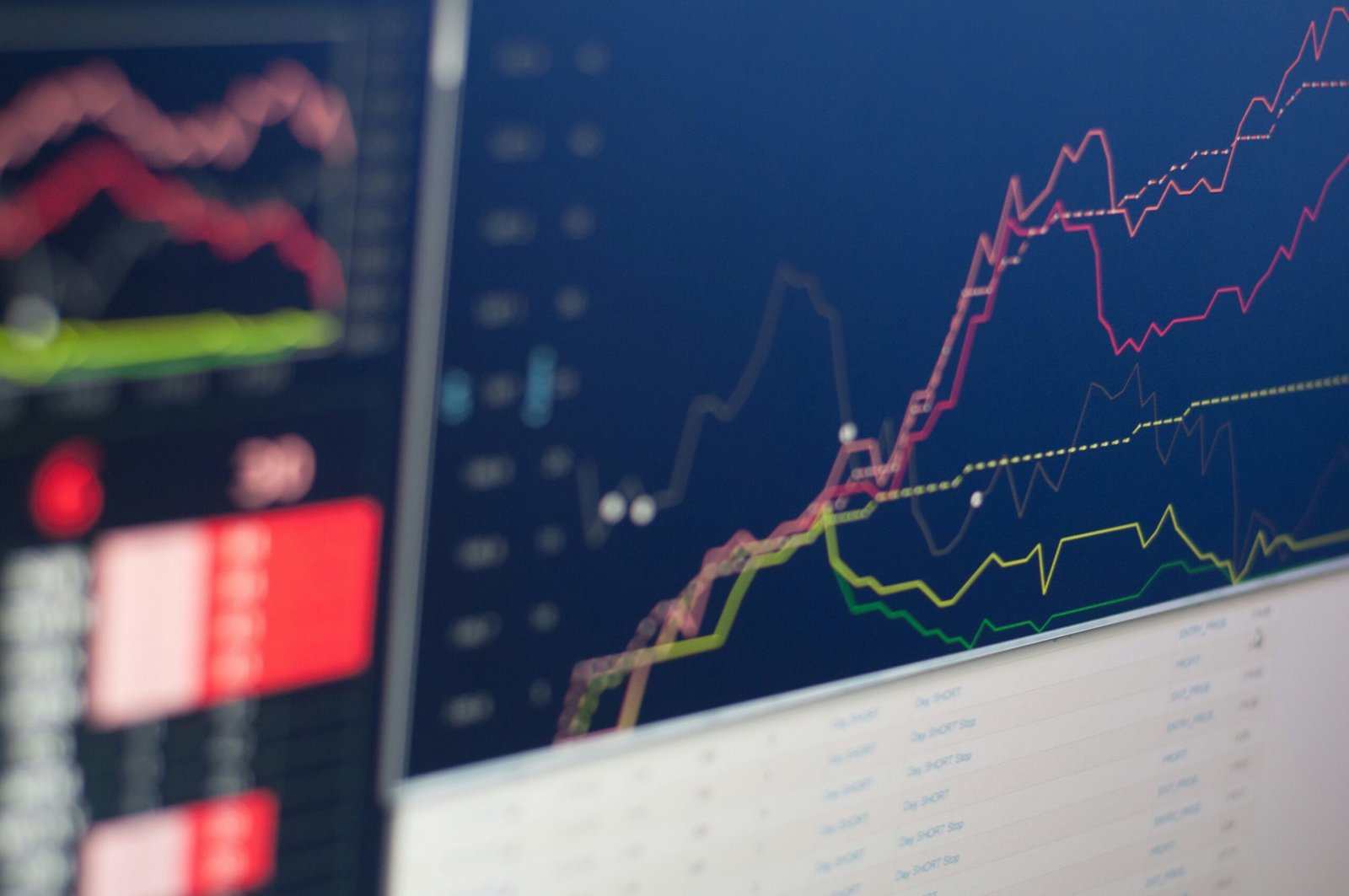
Introduction In the high-stakes world of high-frequency trading (HFT), the “low-latency arms race” refers to the relentless pursuit of speed, where milliseconds can mean millions in profits or losses. As markets globalize, traders employ sophisticated strategies to minimize latency—the delay between order submission and execution. However, this race isn’t just about speed; it’s about building…
-
Navigating MiFID II: Cloud-Based Solutions for Compliance Efficiency

MiFID Impact The Markets in Financial Instruments Directive II (MiFID II), implemented by the European Union in 2018, represents a significant overhaul of financial market regulations aimed at increasing transparency, enhancing investor protection, and fostering fair competition. However, complying with its stringent requirements—such as transaction reporting, record-keeping, best execution policies, and data reconciliation—poses substantial challenges…