Latest posts
-
The future of trading technology comes with a hidden cost

Cloud computing, AI, and blockchain are transforming capital markets — but staying competitive means more than just adopting these innovations. It requires significant new investment in infrastructure, expertise, and compliance. 🔹 Cloud & AI: Supporting ultra-low latency, data-intensive trading will demand greater hardware funding and specialized skills.🔹 AI in compliance & testing: Regulatory frameworks will…
-
Deregulation or Regulation? A Live Market Experiment
The US is diverging from the EU/UK by deregulating credit e-trading platforms creating a fascinating case study in market evolution. De-regulation should increase technology services matching buyers and sellers for better price discovery and trade execution. Market liquidity may also increase too. However, market participants will need to exercise greater due diligence, as reduced regulation…
-
The Low-Latency Arms Race: Strategies for Global Trading Resilience
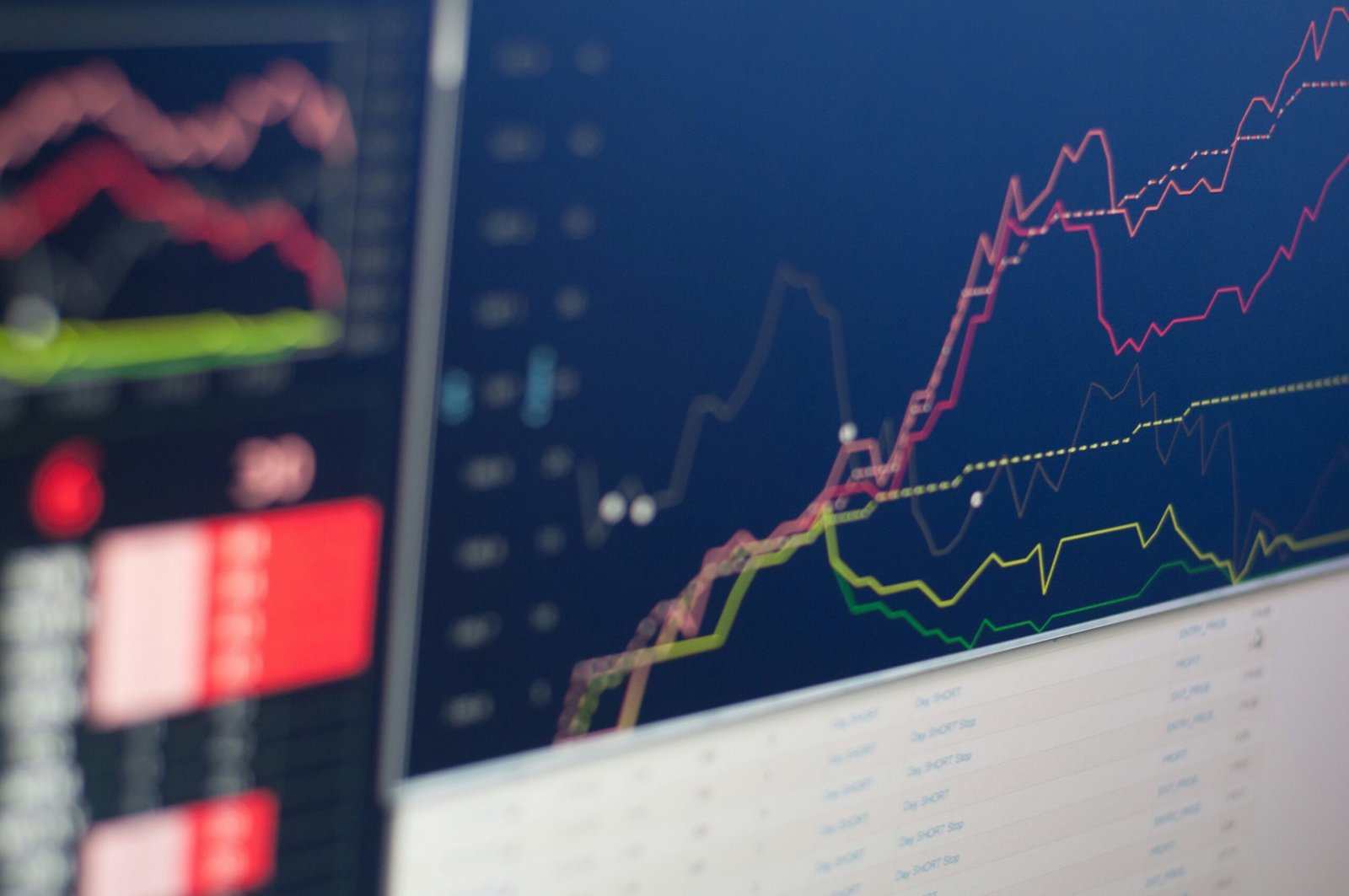
Introduction In the high-stakes world of high-frequency trading (HFT), the “low-latency arms race” refers to the relentless pursuit of speed, where milliseconds can mean millions in profits or losses. As markets globalize, traders employ sophisticated strategies to minimize latency—the delay between order submission and execution. However, this race isn’t just about speed; it’s about building…
-
Navigating MiFID II: Cloud-Based Solutions for Compliance Efficiency

MiFID Impact The Markets in Financial Instruments Directive II (MiFID II), implemented by the European Union in 2018, represents a significant overhaul of financial market regulations aimed at increasing transparency, enhancing investor protection, and fostering fair competition. However, complying with its stringent requirements—such as transaction reporting, record-keeping, best execution policies, and data reconciliation—poses substantial challenges…